
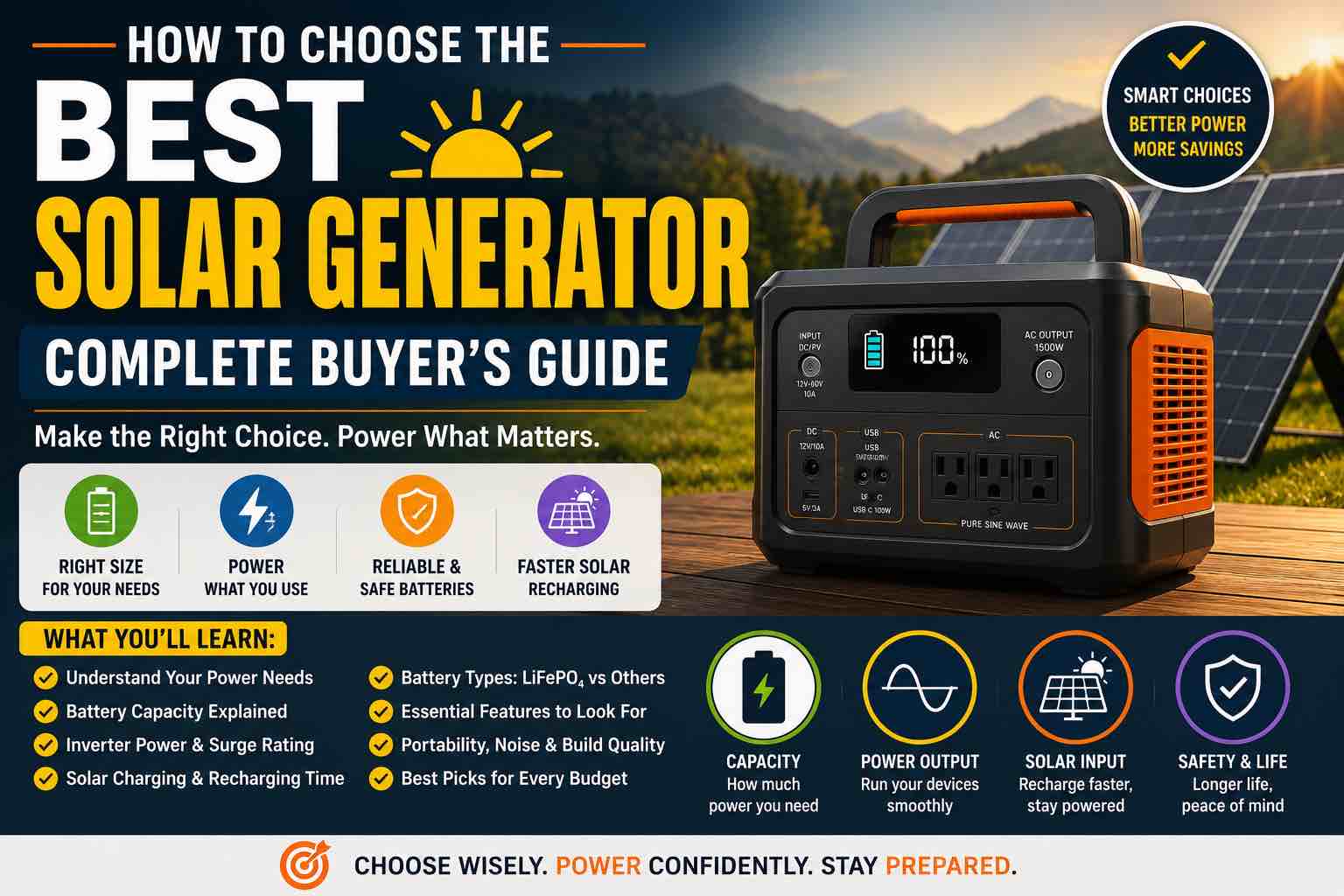
Solar generator which is best for someone’s use case may not be equally suitable for your use case. There is no one size fit for all. So, selecting best solar generator becomes a very crucial role. Today we will focus on how to choose best solar generator in this detailed buyers guide.
Even if you are new to solar generators, we will make sure that you will understand every basic concept related to solar generator and will be capable enough to select best solar generator for your personal requirement.
Real life example:
John from Texas uses a high capacity solar generator to keep his refrigerator, WiFi router, and lights running during power outage. But Emily from Colorado only needs a lightweight solar generator for outdoor camping purpose. So best solar generator for one person may not be necessarily best for the other.
So, let’s start with our detailed guide on selecting best solar generator for home power.
Introduction: What is Solar Generator?
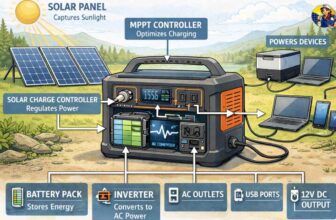
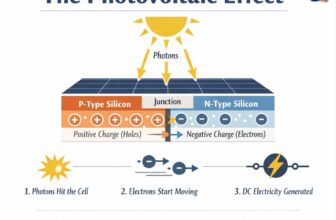
In simple words, a solar generator is a portable power system that stores energy from the sun and provides electricity when you need it. Solar panels collect sunlight and convert it into energy which is stored in a rechargeable battery. When it’s time to power your devices, an inverter converts the stored energy into usable electricity.
Solar generators are different from traditional generators because they do not require gasoline or diesel fuel. They run on clean, renewable energy from the sun. This makes them a popular choice for homeowners, campers, and RV travelers looking for a source of backup power.
One of the major advantage of solar generator is its convenience. It operates quietly and produces zero emissions and requires very little maintenance. Whether you need backup power during an outage or a reliable source while camping, a solar generator can provide a convenient and dependable power solution.
How to Calculate Your Power Needs?
“Best Solar Generator isn’t the one with the biggest battery- its the one that matches your power needs”
Before choosing a solar generator, it is important to understand how much power you actually need. Buying a generator without calculating your energy requirements can leave you with a system that is either too small or larger than necessary.
Start by making a list of the devices you plan to power. Let’s take example of solar generator for home backup. Common examples include laptops, TVs, refrigerators, Wi-Fi routers, phone chargers, and lights. Next, check the wattage of each device and estimate how many hours you expect to use it.
The basic formula is:
Watt-Hours (Wh) = Watts × Hours of Use
For example, let’s say you want to power the following devices during a power outage:
- Laptop: 60W
- TV: 100W
- Wi-Fi Router: 10W
The total power requirement is 170W. In this case, you should choose a solar generator with a power output of at least 200W to handle these devices comfortably.
Now, calculate how long you need to run them. If you plan to use these devices for five hours:
170W × 5 hours = 850Wh
Since it is always a good idea to have some extra capacity, a 1000Wh solar generator would be a better choice (we need to consider energy losses as well)
Jack wanted a solar generator for camping trips. He calculated the power usage of his laptop, phone charger and portable fan before making a decision. This helped him choose a solar generator that matched his power needs without paying for more capacity than he needed.
Taking a few minutes to calculate your power needs can help you choose the right size solar generator and avoid spending money on a system that does not match your requirements.
Battery Capacity Explained
Battery capacity is one of the first things you should check when buying a solar generator. It tells you how much energy the battery can store and how long it can power your devices before it needs to be recharged.
Battery capacity is measured in Watt-hours (Wh). A higher Wh rating means the battery stores more energy, which usually gives you longer runtime. For example, a 500Wh solar generator is a good option for charging phones, laptops, cameras, and other small electronics. If you need to power larger appliances or keep essential devices running during an outage, you’ll need a model with a higher battery capacity.
A simple way to estimate runtime is by using this formula:
Estimated Runtime (Hours) = Battery Capacity (Wh) ÷ Device Power (W)
For example, if you have a 1000Wh solar generator and want to run a 100W TV, the calculation looks like this:
1000Wh ÷ 100W = 10 hours
Under ideal conditions, the generator can run the TV for about 10 hours. However, the actual runtime may be slightly lower due to inverter losses, battery efficiency, and the number of devices connected at the same time.
Don’t choose a solar generator based only on battery size. Start by calculating your daily power needs, then pick a battery capacity that gives you enough runtime with some extra room for unexpected use. A slightly larger battery can be helpful during long power outages, but buying a much bigger model than you need may only increase the cost without adding much value.
Power Output and Surge Watts Explained
“Power output keeps your devices running, surge watts get them started”
Power output tells you how much electricity a solar generator can supply at one time. It is measured in watts (W) and determines which devices you can run. If the total power required by your devices is higher than the generator’s power output, the generator may shut down or fail to power those devices.
Most solar generators list two power ratings: running watts and surge watts. Running watts are the amount of power a solar generator can provide all the time. Surge watts are the extra power it can provide for a few seconds when some appliances first turn on (very important)
Battery capacity often gets most of the attention, but power output is just as important. It plays a key role in determining which devices you can use with a solar generator.
For example, a refrigerator may only use 150W while it is running. However, when you first turn it on, it needs more power for a few seconds. That’s why a solar generator must have enough surge power to start it. The same applies to appliances such as water pumps, air conditioners, and some power tools. If the generator cannot provide the extra power needed at startup, the appliance may not turn on.
Don’t choose a solar generator based only on battery capacity. Always compare the generator’s running watt and surge watt ratings with the appliances you plan to use. If you expect to run appliances with motors or compressors, choose a model with enough surge capacity to handle those startup power demands. This simple step can help you avoid performance issues and ensure your generator meets your everyday needs.
LiFePO4 vs. Lithium-Ion Batteries
Most solar generators come with two battery types: LiFePO4(Lithium Iron Phosphate) or Lithium-Ion. Both batteries can power your devices, they differ in lifespan, safety, weight, and price.
LiFePO4 batteries are known for their long lifespan and safety. They can handle thousands of charge cycles, making them a great choice for people who plan to use their solar generators regularly.
Lithium- Ion batteries are lighter and found in more affordable solar generators. They have a shorter lifespan than LiFePO4 batteries. If you only need a solar generator for occasional use or emergency backup then the lithium-Ion model can be a good option.
| Features | LiFePO4 | Lithium-Ion |
| Lifespan | Longer | Shorter |
| Safety | Higher | Good |
| Weight | Heavier | Lighter |
| Price | Higher | Lower |
| Best For | Frequent use | Occasional use |
LiFePO4 battery is unavoidable if you are planning for solar generator foe home considering its reliability and safety.
Solar Charging Capabilities
Solar generators use solar panels to recharge the battery. But not every model charges at the same speed.
Several things affect charging time. These include:
- The size of your solar panels and its orientation
- The amount of sunlight available during daytime
- And the generator’s maximum solar input
Let’s say your solar generator supports 500W of solar input. If you connect 500W of compatible solar panels, the battery will charge faster than a model with a lower input limit. On a bright, sunny day charging is usually faster. On cloudy days, it can take longer to recharge the battery.
Note: Solar generators produce energy even during rainy season (cloudy environment). Light matters for power generation, not the heat. In case of cloudy weather, we still have dispersed light
You should also check if the generator has an MPPT( Maximum Power Point Tracking) charge controller. This feature helps the generator to capture more energy from the available sunlight. That means it can charge more efficiently, even when the weather is not perfect.
When you are comparing models, don’t look at the battery capacity alone. Check the solar input too. A generator with a higher solar input lets you connect larger solar panels. That means faster charging and more flexibility when you need backup power.
Essential Features Buyers Must Consider
Battery capacity, surge watts and power output are important, but they are not the only things to look for. A few extra features can make your solar generator easier to use.
Start by looking at the output ports. A model with several AC outlets, USB -A ports, and USB-C ports lets you charge or power more than one device at a time. This is useful during power outages, camping trips, or RV travel.
A clear display is another useful feature. It lets you check the battery level, charging status, and power input and output with one look. This makes it easier to manage your power throughout the day.
If you plan to carry your solar generator often, choose a model that is lightweight and easy to transport. Some generators also support expandable batteries, giving you the option to increase your backup power later if your needs grow.
One more thing to check is the warranty and customer support. A longer warranty and reliable support can give you more confidence, especially if you plan to use your solar generator for years.
Without a good after sales service, everything else is a waste. Lets see with example:
John chooses a solar generator with a 3 years warranty because the brand has faster customer support and local service centres. While Mike buys one with a 5 year warranty that is difficult to contact. When both units develop same issue, John’s generator is replaced within a week, while Mike waits over a month. So, after sales service and availability of local service centres is equally important.
Choosing a Solar Generator by Use Case
The best solar generator depends on how you plan to use it. If you need backup power for your home, choose a model with a large battery and higher power output. It can keep essential appliances running during a power outage for you.
For camping, a lightweight and portable solar generator is usually the better choice. If you travel in an RV, look for a model with multiple output ports and fast solar charging. If you are buying a solar generator for emergencies, make sure it has enough battery capacity to power your important devices.
Choosing a model that matches your needs will help you get the best value for your money.
Common Buying Mistakes
One of the most common mistakes is choosing a solar generator based only on battery capacity. Battery size is important, but you should also check the power output. Otherwise, the generator may not be able to run the devices you need.
Another mistake is not planning for future power needs. You may want to run more devices later. So it is smart to leave some extra capacity. Also, don’t ignore the solar input rating. A higher solar input can reduce charging time.
William thought a bigger battery meant a better solar generator. But after buying one, he found that the power output was too low to run some of the appliances he wanted. That’s why it is important to check both battery capacity and power output before buying
Don’t choose a solar generator based on price alone. Take a few minutes to compare the features, performance and your power needs. Choosing the right model from the start can save you time and money later.
Recommended Solar Generator Sizes
The right solar generator size depends on what you plan to power. If you only need to charge small devices like a phone, laptop or camera, a 300Wh to 500Wh model is usually enough.
For camping, road trips, or powering a few small appliances, a 500Wh to 1000Wh solar generator is a better choice. If you need backup power for your home or want to run larger appliances like a refrigerator, look for a model with 1000Wh or more.
Choose a solar generator that matches your power needs. Buying the right size can help you avoid paying for extra capacity.
Note: We have detailed article on best solar generators available in US market. This will help you to choose a best generator based on your use case.
How Much Should You Spend on Solar Generator?
The price of a solar generator depends on its battery capacity, power output, battery type and features. If you only need backup power for a few small devices, there’s no need to spend more on a larger model.
At the same time, don’t choose the cheapest option without comparing its features. A model that fits your budget and meets your needs is usually a better choice.
Best Solar Generator Brands in 2026
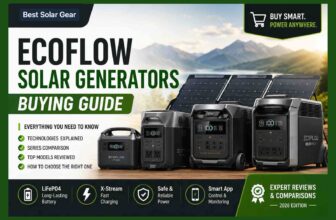
There are many solar generator brands in the market, but few stand out for their performance and features. Popular brands include Jackery, Ecoflow, Bluetti, Anker SOLIX, and Goal Zero.
Each brand offers models with different battery capacities, power output, and features.Instead of choosing the brand alone, compare the models based on your power needs, budget, and the features that matter most to you. This will help you find the right solar generator for your needs.
Final Verdict
There isn’t one solar generator that’s right for everyone. The best choice depends on how much power you need and where you plan to use it. Compare the important features, choose the right size and pick a model that fits your budget. This will help you make a smarter buying decision.
You can explore more articles to select best solar generator for home power, camping, power outages, etc on our blog. And if you need any personalised help, our team will guide you for selecting best solar generator based on your use case.
Frequently Asked Questions (FAQ’s)
Yes, if the generator has enough battery capacity and power output.
It depends on the battery type and usage. LiFePO4 batteries usually last much longer than Lithium-Ion batteries.
Most modern solar generators support pass-through charging, but it’s always a good idea to check the user manual.